
Ethics vs. Profit: How Ending Animal Testing Builds Brand Loyalty
Sometimes it feels unnecessary to even have this conversation. The reasons are obvious — and yet, we still have to talk about it. Because too many brands, famous and obscure alike, continue to ignore what we already know.
Animal cruelty doesn’t just reflect a brand’s values. It exposes them. And it does the same for us.
There’s no news that the world is changing. Consumers are more aware than ever of who they buy from and why. Celebrities and public figures are no longer neutral. They speak openly about veganism, animal testing in cosmetics, and the use of fur in fashion. Sadie Sink, one of today’s most influential young stars, has repeatedly spoken about becoming vegan for a reason that should not require explanation: animals feel pain, just like we do. Zendaya has consistently used her platform to speak against animal testing and has partnered with organizations that provide vegan meals, such as Convoy of Hope. That visibility matters. It shapes behavior, especially among Millennials and Gen Z.
Young artists are not “the next generation.” They are already here, influencing decisions, redefining trends, and changing expectations.
Some of the key impacts they are driving, and that brands can no longer ignore, include:
Inspiring young audiences to explore plant-based options
Drawing attention to the environmental impact of animal product consumption
Choosing to collaborate only with cruelty-free and sustainable brands
Advocating for self-care, responsibility, and conscious consumption
Most people don’t realize what happens behind the scenes, not because they don’t care, but because the industry works hard to keep it invisible.
This is the part rarely shown in advertisements, investor decks, or influencer partnerships.
Behind the packaging and marketing language, animal testing for cosmetics remains widespread. Skin and eye irritation tests involve chemicals rubbed onto shaved skin or dripped directly into the eyes of restrained animals, often without pain relief. Other tests force animals to ingest chemical substances repeatedly over weeks or months to observe signs of illness, cancer, or organ failure. In so-called lethal dose tests, animals are pushed to the point of death to determine toxicity levels. At the end of these experiments, animals are routinely killed.
PETA reports that many animals used for fashion and cosmetics are skinned alive or killed using the cheapest methods available.
This isn’t a side effect of the system. It is the system.
Humane World for Animals and In Defense of Animals document the same reality: animal suffering is not accidental, rare, or outdated. It is normalized. It is ongoing. It is hidden behind language designed to sound harmless, scientific, or legally necessary.
That is why phrases like “we don’t test on animals, except where required by law” matter. If a brand still hides behind “tested where required by law,” it is not ethical. It is strategic silence.
Luxury no longer means excess. It means ethics, transparency, and responsibility.
Status used to be about what you could afford.
Now it is about what you refuse to fund.
Industry reports find that cruelty‑free beauty products are experiencing faster growth in the market and often show better sales performance than conventional products, with higher conversion rates online and a noticeable rise in market share for products carrying third‑party cruelty‑free logos. Click Here To Read The Full Market Report.
Cruelty-free choices are not about perfection. They are about awareness. Brands that continue to ignore this shift are not being bold or traditional. They are falling behind a consumer base that already understands something fundamental: no product is worth a life.
About Brands That Still Test on Animals
There are many familiar brands that are still not cruelty-free, often because they sell in countries where animal testing is still required by law, or because their parent companies have policies that allow it. What this actually means: Even if a brand says “we don’t test on animals”, if they sell in countries where animal testing is still legally required (like mainland China), most cruelty‑free certifiers (like Leaping Bunny or PETA) do not consider them cruelty‑free. Examples commonly found in verified listings include (but are not limited to):
Makeup, skincare, and beauty companies known to test on animals or be owned by companies that do:
Maybelline
MAC Cosmetics
NARS
Clinique
L’Oréal brands
Dior, Chanel, Armani
Revlon
Bobbi Brown
Armani
In conclusion, the list of brands to avoid due to animal testing practices is supported by information from Cruelty Free Kitty, a reputable and widely recognized cruelty‑free resource that compiles verified data on ethical and unethical companies.
Examples of cruelty-free brands (trusted and verified):
Fenty Beauty
KVD Beauty
Hourglass Cosmetics
(Note: brands like these are known for explicit cruelty-free policies and certifications, even if their parent companies are bigger players.)
Brands that continue to test on animals aren’t just risking reputation, they are alienating an increasingly conscious, values-driven consumer base that refuses to support cruelty. Adopting cruelty-free practices is no longer optional, it is a strategic imperative. Companies that embrace transparency, compassion, and ethical responsibility don’t just earn trust, they cultivate fierce customer loyalty, amplify brand prestige, and unlock global market opportunities. In today’s landscape, doing good is not just morally right, it is a decisive competitive advantage.
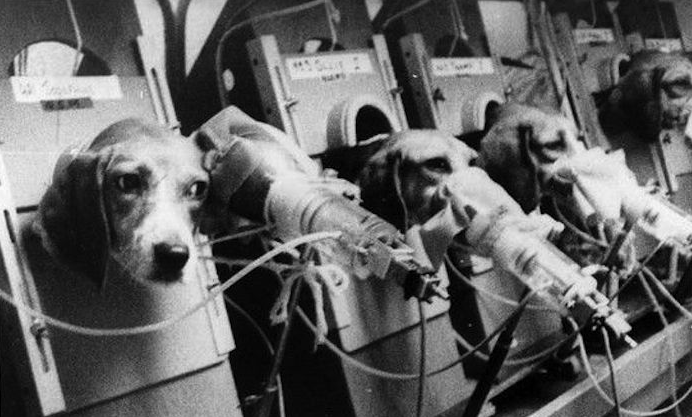
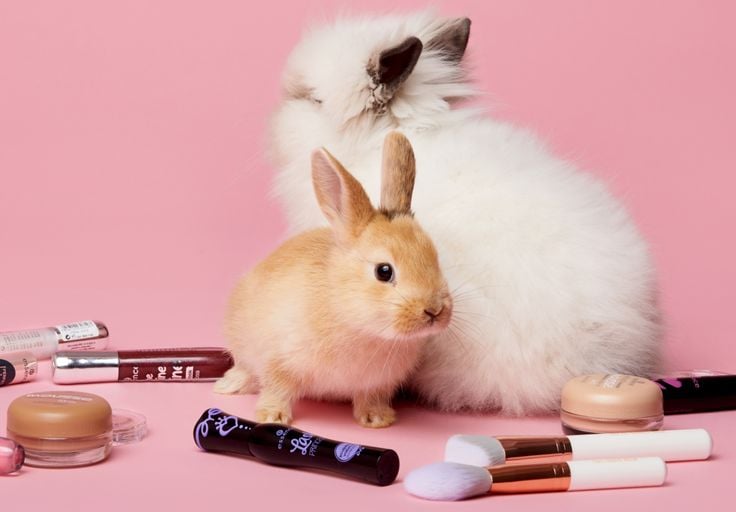
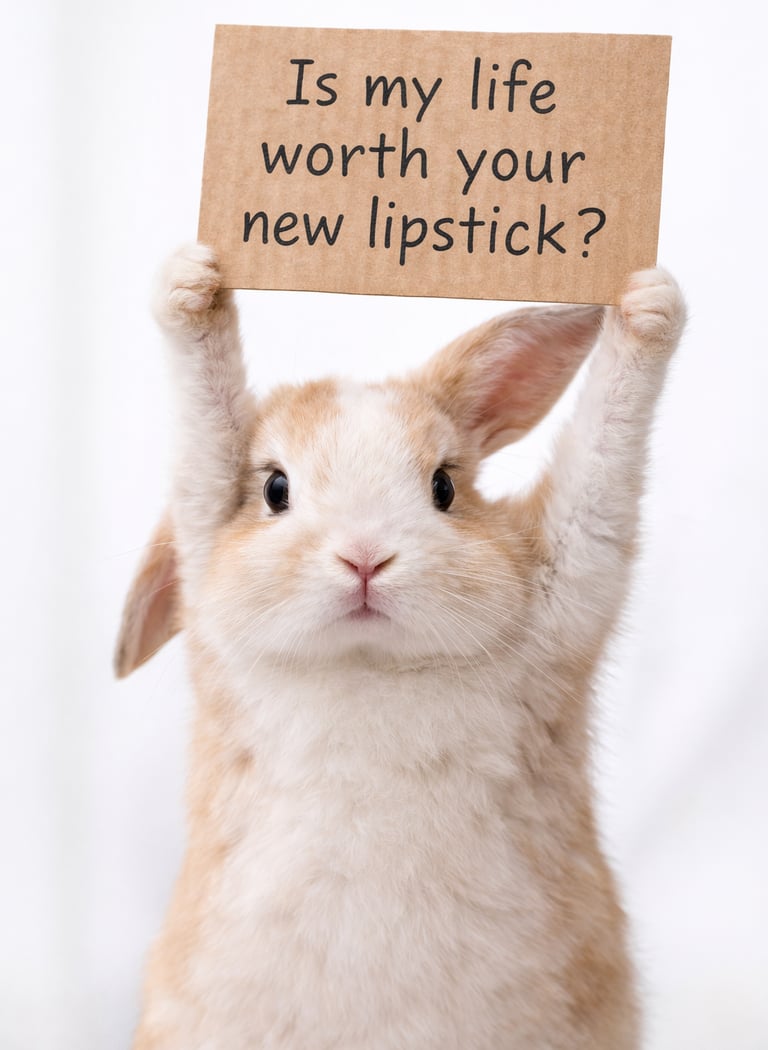
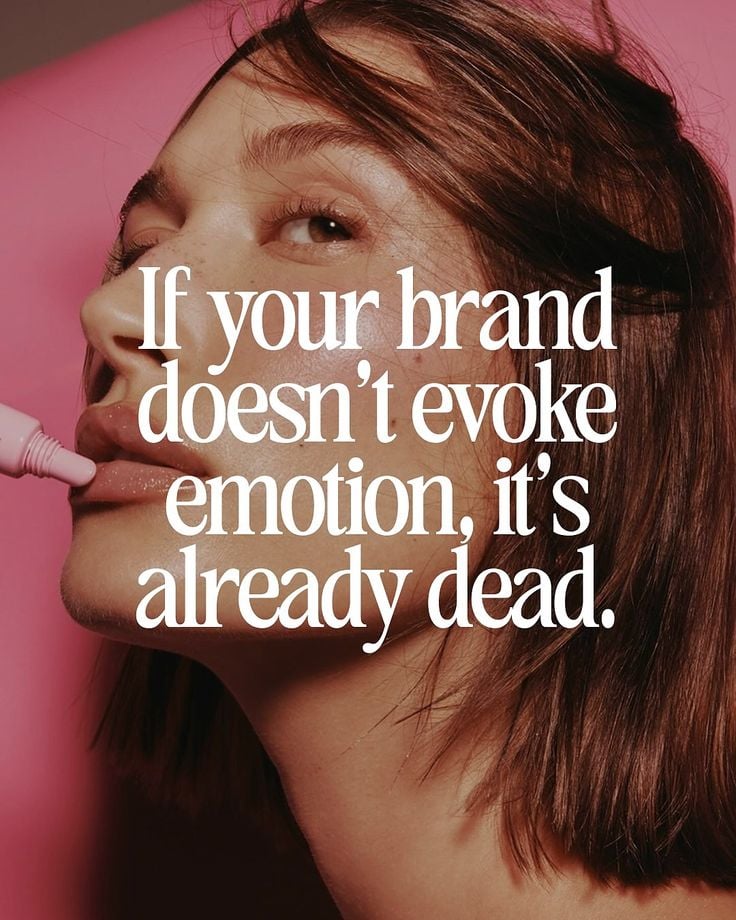
Behind polished campaigns, celebrity endorsements, and luxury branding, many global companies still rely on animal testing. Consumers are starting to look beyond the glamour, and what they’re discovering is reshaping both ethics and profits.
Published February 11, 2026
Address
Gold Coast, Australia
Email:
lanna.leite.content@gmail.com
Have a question or topic you’d like me to explore?
Send me a message — I might turn it into my next article.